
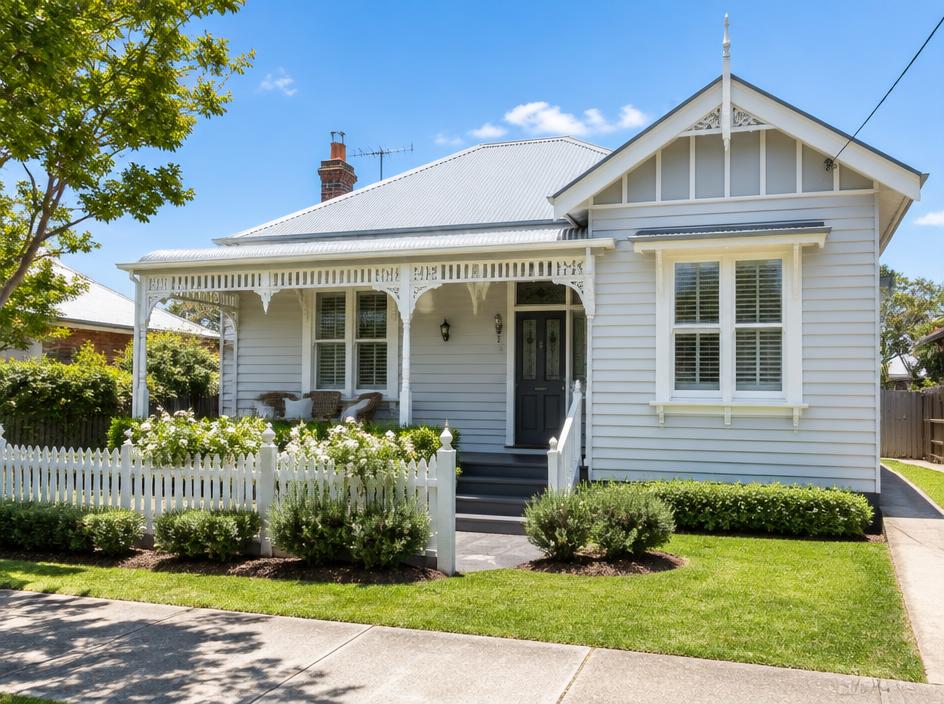
Butted Paling Fences
Palings fixed edge to edge on two or three rails. The most economical timber fence, though small gaps open as the timber dries.
Timber fence installation Wagga Wagga owners choose today ranges from a plain paling boundary to a capped, lapped fence with a plinth board that looks like joinery. Timber can rake along a slope, can be repaired one paling at a time, and suits older streets where steel would look out of place.
It also moves. Timber shrinks in dry summer heat and swells after rain, so a good build allows for that movement and uses posts graded for ground contact.
Palings fixed edge to edge on two or three rails. The most economical timber fence, though small gaps open as the timber dries.
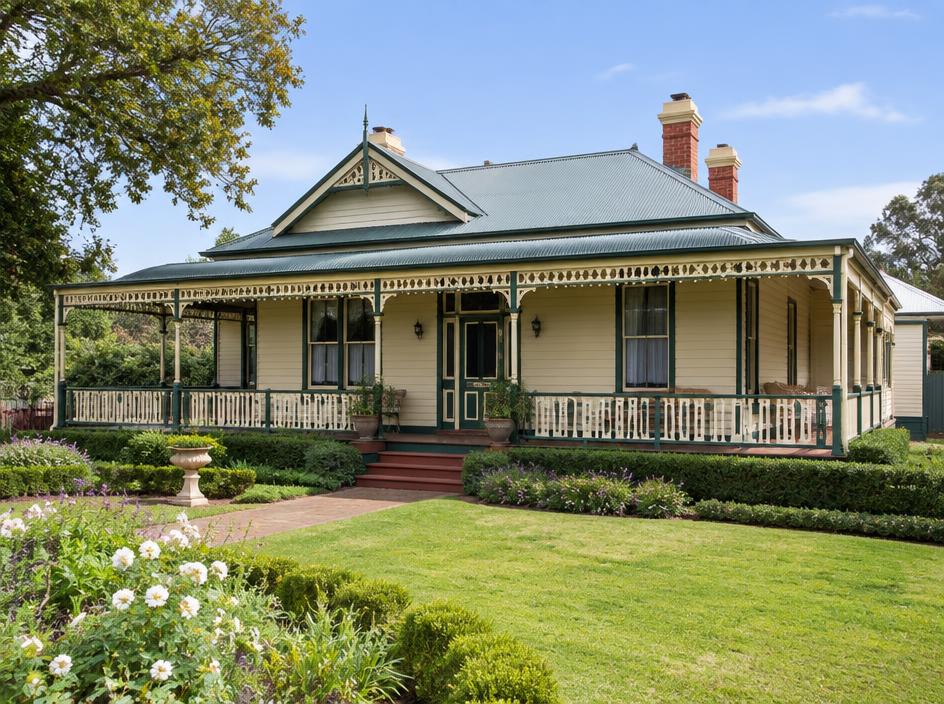
Overlapping palings close the shrinkage gaps, and a top cap with a trim board sheds rain off the end grain.
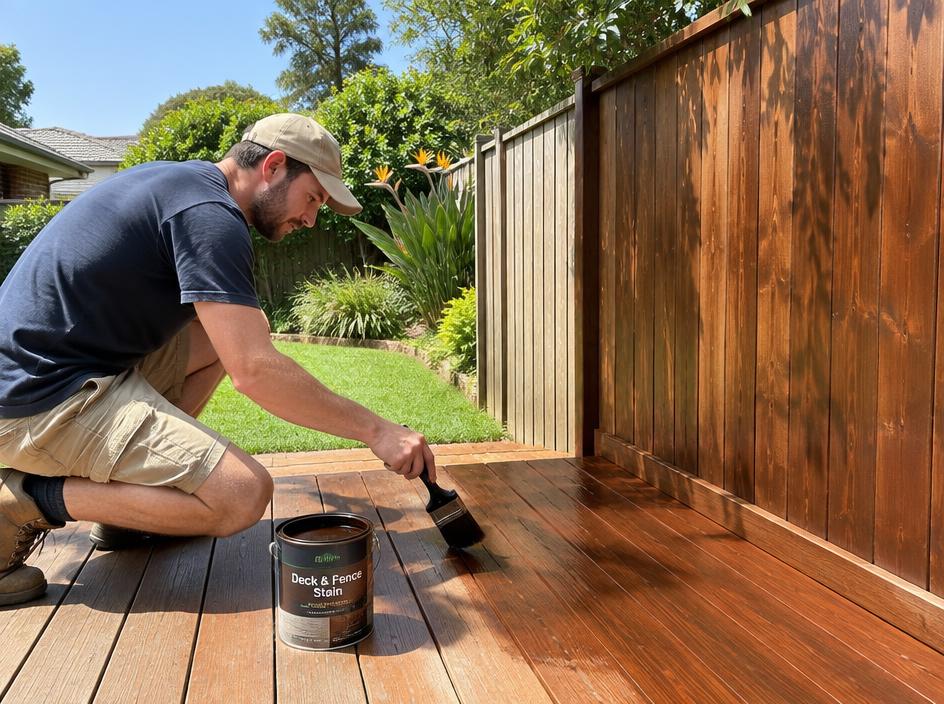
Spaced pickets for front gardens and character homes, at a height that keeps the house visible from the street.

Palings and rails on galvanised steel posts. The face looks traditional while the posts are protected from rot and termites at ground level.
The top follows the slope in one continuous line. Neat on gentle grades and only possible with timber or custom panels.
Each bay sits level and steps down at the post. Better on steep blocks where a rake would look crooked.
A horizontal board at ground level keeps palings off the soil, so the palings last longer and the plinth can be swapped cheaply.
Posts can sit on your side or be hidden behind the palings. Decide early, because the good face usually goes to the neighbour on a shared fence unless agreed otherwise.
Timber grade matters most where it meets the ground. The hazard class on treated timber tells you what exposure it is made for.
| Finish | Characteristics | Typical applications | Considerations |
|---|---|---|---|
| H3 treated pine | Pine treated for outdoor use above ground. | Palings, rails and caps. | Not made for burying; use it for anything that stays clear of the soil. |
| H4 treated pine | Treated for in-ground contact. | Timber fence posts set in concrete or soil. | The minimum grade we use for buried timber posts; cut ends should be sealed on site. |
| Hardwood palings | Dense native timber with natural colour variation. | Premium boundaries and front fences. | Costs more and can split if nailed close to the end, so we pre-drill or use the right fixings. |
| Galvanised steel posts | Steel posts carrying timber rails and palings. | Sites with termite activity or damp ground. | Removes the most common failure point of a timber fence, at a modest extra cost. |
Timber is forgiving to build but less forgiving of poor detailing. These choices decide how it ages.
If termites have been found nearby, steel posts and a gap between soil and timber reduce the risk.
Garden watering that hits the base every evening rots palings fast. We check where reticulation sprays.
Fixings and paling spacing allow for summer shrinkage so boards do not split or pull nails.
On a shared fence, agree which side gets the smooth face and who owns the post side before the build.
We string the line, mark posts and decide on rake or step for each section.
Posts are concreted plumb at even spacing and allowed to cure before load goes on them.
Rails are fixed into or onto posts and checked for line so the palings sit flat.
Plinth board goes on first, then palings are fixed with galvanised nails or screws.
Where specified, a cap and trim board are added to protect the top end grain.
We check gates, clean up offcuts and explain when to apply the first stain or oil.
Galvanised fixings and well-braced gates keep a timber fence tidy as the boards season.
Plain steel fixings stain timber and rust out. Galvanised or stainless fixings hold longer.
A diagonal brace running from the bottom hinge up to the latch side stops a timber gate dropping.
Ring latches, gravity latches and lockable bolts suited to the gate and how often it is used.
On some sites a galvanised stirrup holds the timber post above the concrete so it never sits in water.
Owners want a low timber front fence that suits the house and keeps the garden open to the street.
Termites were found in a shed nearby, so the new boundary uses steel posts with timber palings and rails.
A gentle fall along the side boundary suits a continuous raked top rather than stepped panels.
These describe the kind of brief we are asked to price. They are not photographs of finished local jobs; images are placeholders until job photos are added.
We build timber fences in these suburbs and nearby streets across Wagga Wagga.
Flood-aware fences, steel posts and post-flood repairs across the river from the CBD.
View detailsPicket fronts, timber boundaries and careful removal of old fences around early-1900s to 1960s homes.
Request a quoteFirst fences for new homes, slat frontages and pool barriers on the northern side.
Request a quoteSecurity perimeters, wide gates and impact repairs for industrial yards on the Sturt Highway.
Request a quotePractical repairs and low-upkeep steel for established homes around Turvey Tops.
Request a quotePrivacy fencing near the house and stock-proof wire where blocks meet farmland.
Request a quotePool barrier upgrades, boundary renewals and front fences along Lake Albert Road.
Request a quoteSteel privacy fencing for side and rear boundaries, set on concreted posts and finished in a colour both neighbours can live with.
View serviceStrainer assemblies, steel posts, ringlock, plain, barbed and electric wire for stock, boundaries and house yards on the city fringe.
View servicePowder-coated horizontal and vertical slat fences, screens and gates with the gap size chosen for privacy, breeze and light.
View serviceLeaning posts, broken palings, dented steel panels, storm and vehicle damage, and gates that no longer latch, fixed without replacing the whole run.
View serviceBoundary, pool, security, rural and slat fencing planned around your block, your neighbours and Wagga Wagga's hot summers and frosty winters.
View serviceGlass, aluminium and steel pool barriers planned around height, gaps, gates and climbable zones before style is chosen.
View serviceChain wire, welded mesh and palisade perimeters with vehicle and pedestrian gates planned around how the site actually runs.
View serviceRemoval of the old fence, disposal and a new fence built on the same day plan, so your yard is open for as short a time as possible.
View serviceCleaning, preparation and stain, oil or paint coatings for timber fences, plus refresh coatings for suitable metal fences.
View serviceTimber prices move with the grade of timber, the style of fence and how many posts the run needs. We measure first and price each part.
| Fence style | Butted, lapped, capped and picket fences use different amounts of timber and time. |
|---|---|
| Timber species | Hardwood palings generally cost more than treated pine. |
| Post type | Steel posts add a little cost but remove the main rot point. |
| Slope | Raking or stepping adds cutting and setting-out time. |
| Removal | Pulling out an old fence and disposing of it is priced as a separate line. |
A lapped and capped fence uses noticeably more timber and labour than a butted paling fence of the same length.
Get a timber fence quoteIt depends on timber grade, how the base is detailed and whether it is coated. Posts at ground level are usually the first to fail, which is why we use H4 treated posts or steel posts.
Freshly treated pine often needs time to dry before it takes a stain evenly. We will tell you when the boards are ready based on the timber supplied.
Timber shrinks as it dries, so butted palings open small gaps in the first summer. Lapped palings overlap to keep the fence private as it shrinks.
A basic paling fence can be comparable or cheaper, but lapped, capped and hardwood fences can cost more. Upkeep over time also differs, so compare both upfront cost and staining.
Yes, that is one of their strengths. Single palings, rails or a post can be replaced without disturbing the rest of the run.
Any timber in contact with soil can attract termites. Steel posts, a plinth board and keeping garden mulch off the timber all reduce the risk.
Tell us the style you like, the length of the run and whether the ground slopes. We will measure, suggest the right post and timber grade, and send a written quote.
Timber suits owners who like a natural look, need a raked top on a slope, or live in an older street where pickets and palings fit the houses. It is also easier to repair in small sections than steel.
It needs more care. Expect to re-coat every few years if you want it to keep its colour, and check the base for rot and termites after wet seasons.
We will not bury H3 pine as a post, and we will not fix palings with plain steel nails that bleed rust. If timber is not right for your site, we will say so and price an alternative.